This project began with a fundamental question:
Can architecture offer freedom to the mind—even when the body is bound by age and frailty?
Today, human life expectancy has increased.
We live longer, but not necessarily better.
The body weakens over time—but the mind, with all its memories, dreams, fears, and hopes, remains vividly alive.
This creates a profound gap: the gap between body and mind.
While the physical needs of the elderly can be addressed through medical standards, assistive technologies, and accessible design, their mental and emotional needs—such as a sense of belonging, presence, and security—require something deeper.
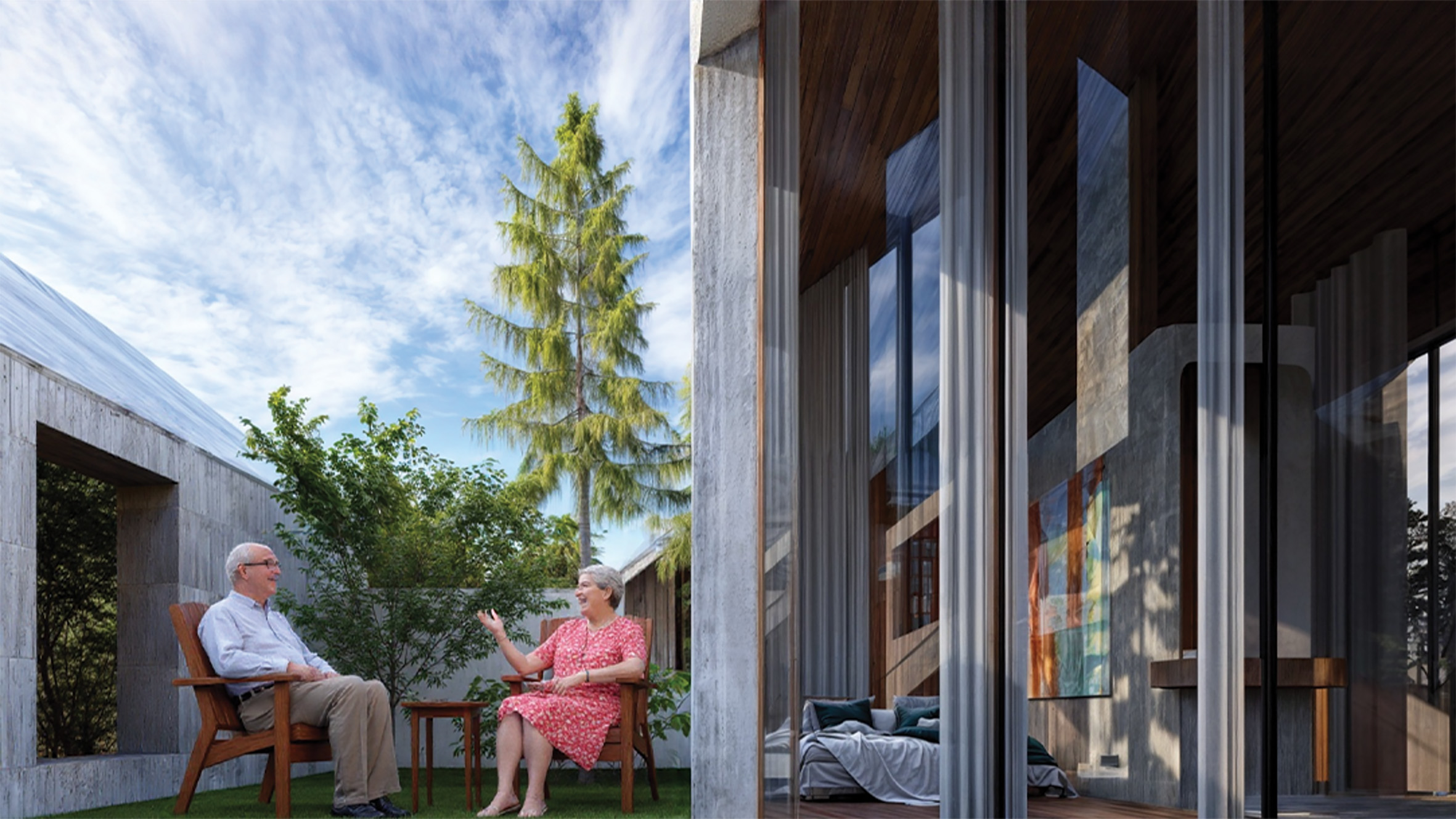
They require architecture that is filled with light, memory, and humanity.
We believe that architecture can transform immobility into rhythm, isolation into connection, timelessness into memory, and the fear of being forgotten into the joy of being seen.
Context and Concept
Set in Tehran, the project draws inspiration from the city’s architectural past—where a balance of enclosed, open, and semi-open spaces shaped homes filled with life.
Today, that balance is lost.
Traditional houses have been replaced by towering apartment blocks that maximize built area while minimizing the quality of living.
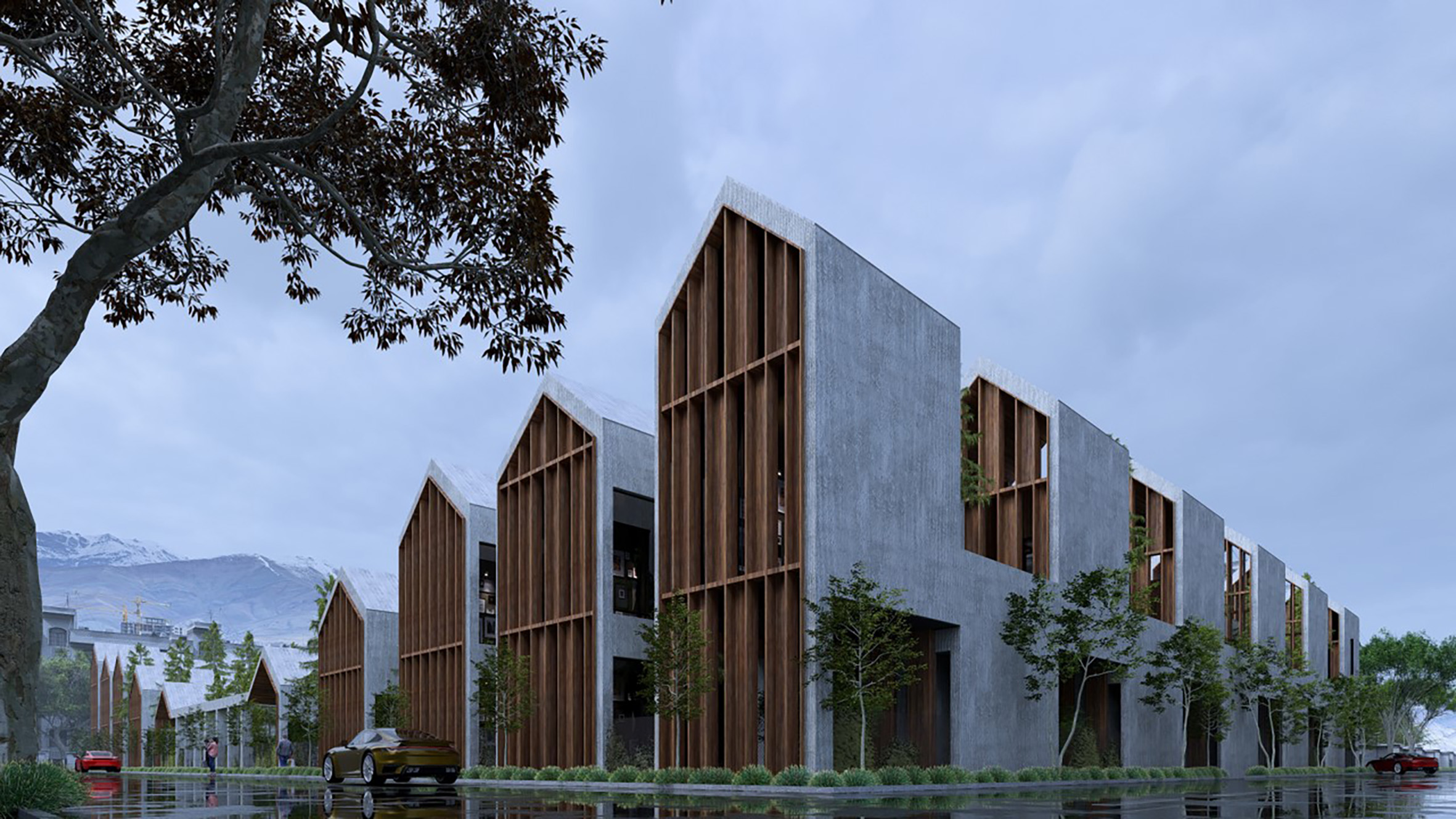
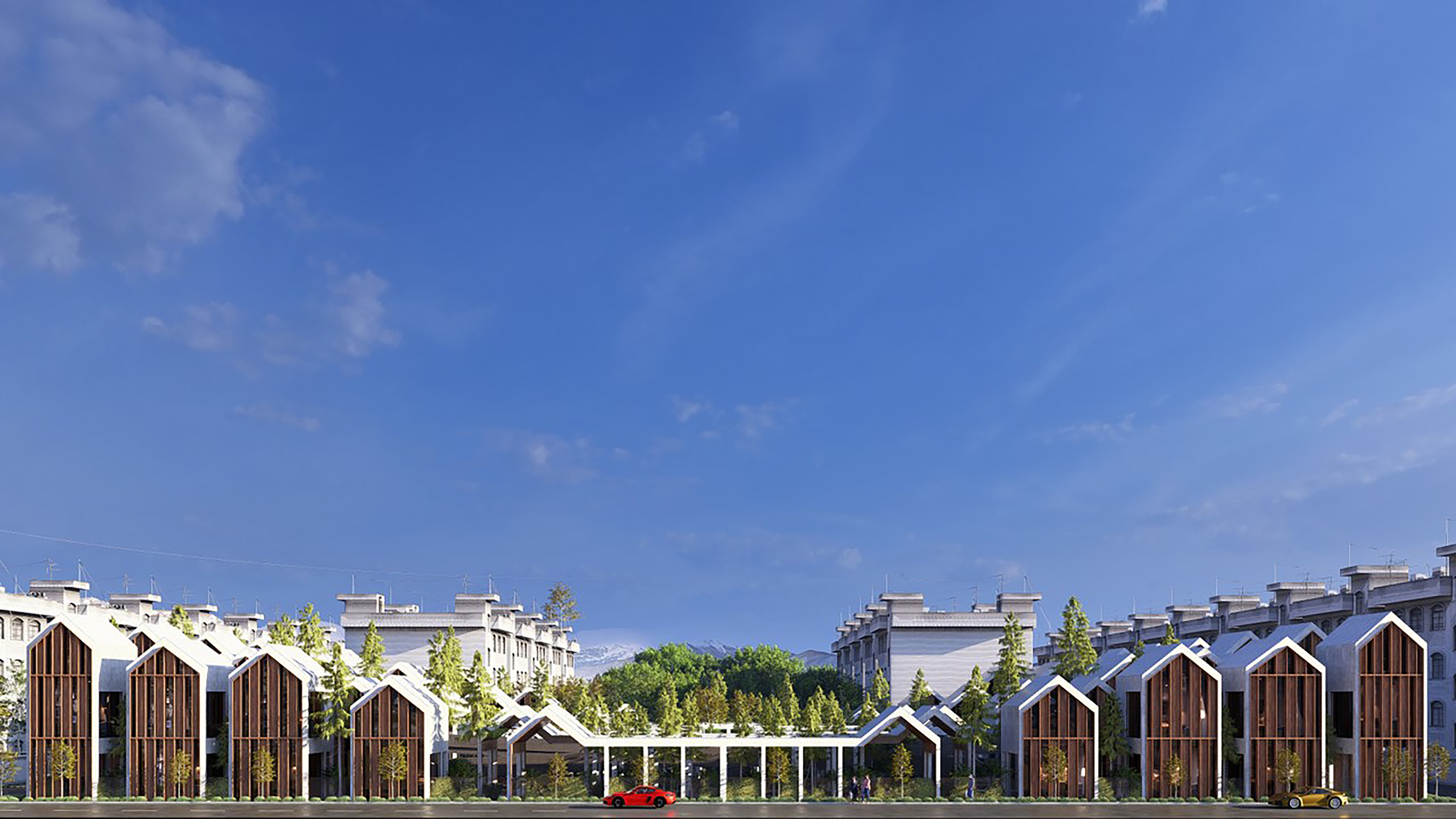
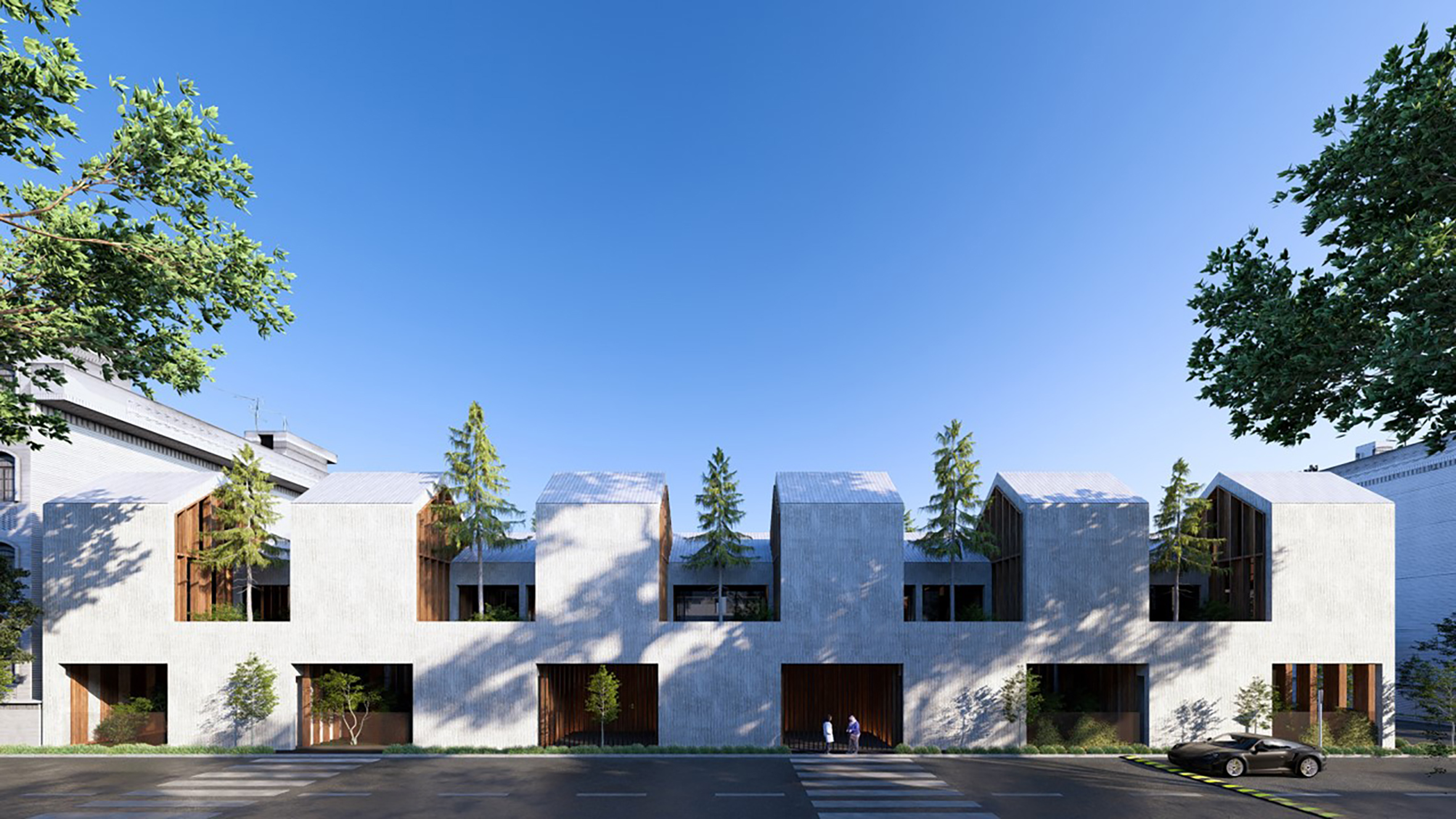
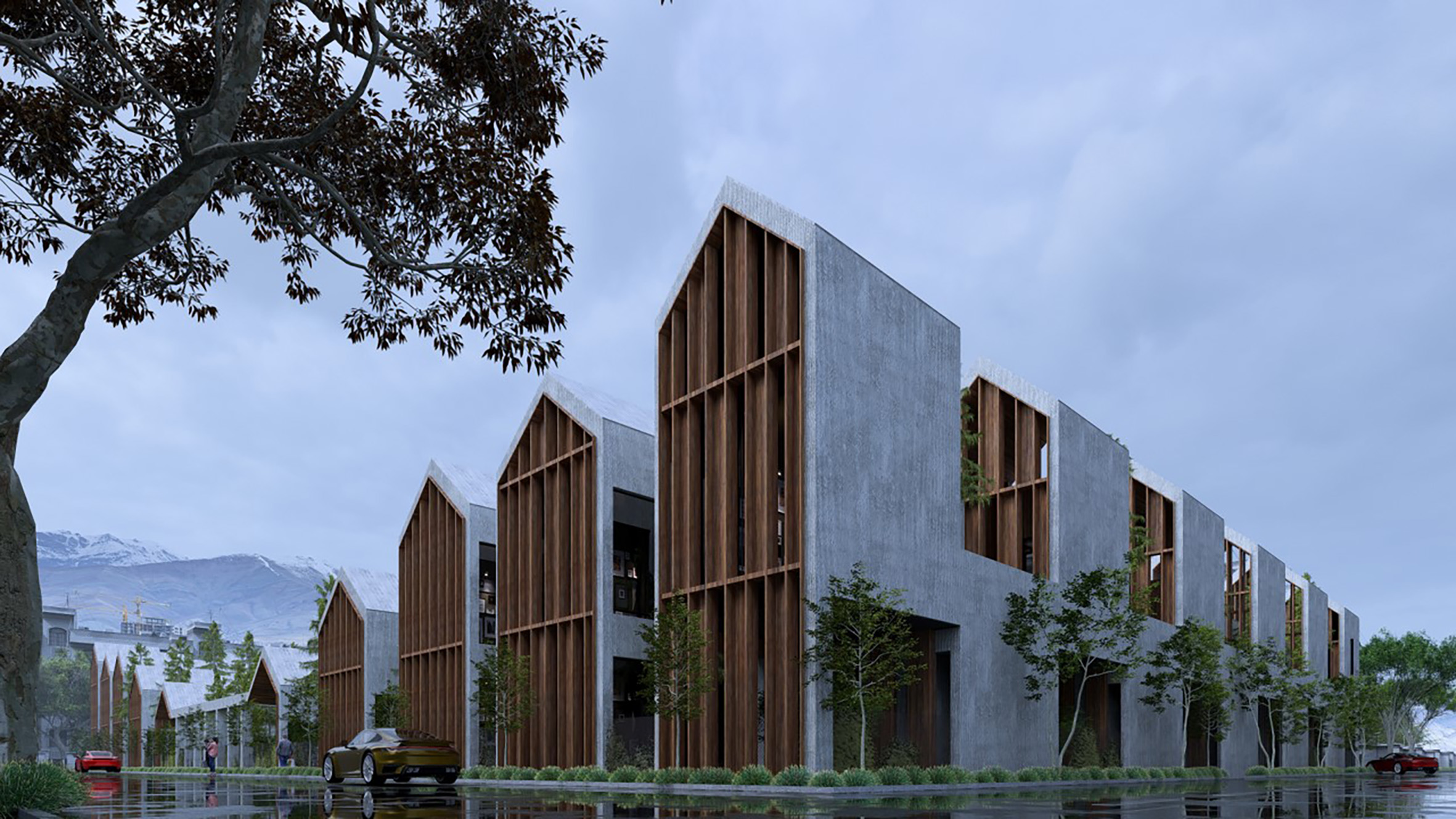
Our goal was to reclaim spatial dignity by fragmenting these monolithic structures into smaller, human-scaled living units.
But we went further: we didn’t want these smaller spaces to feel isolated.
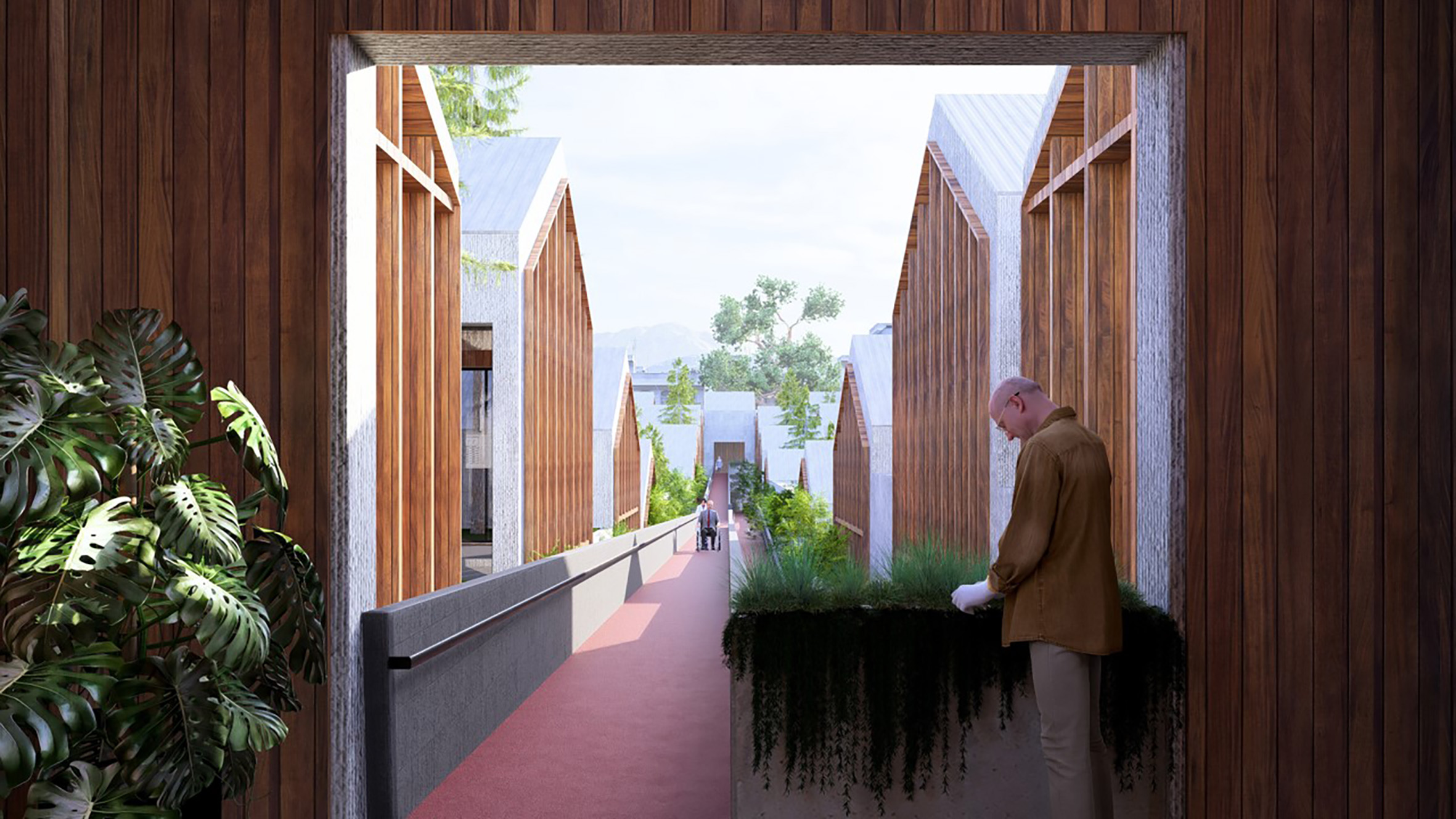
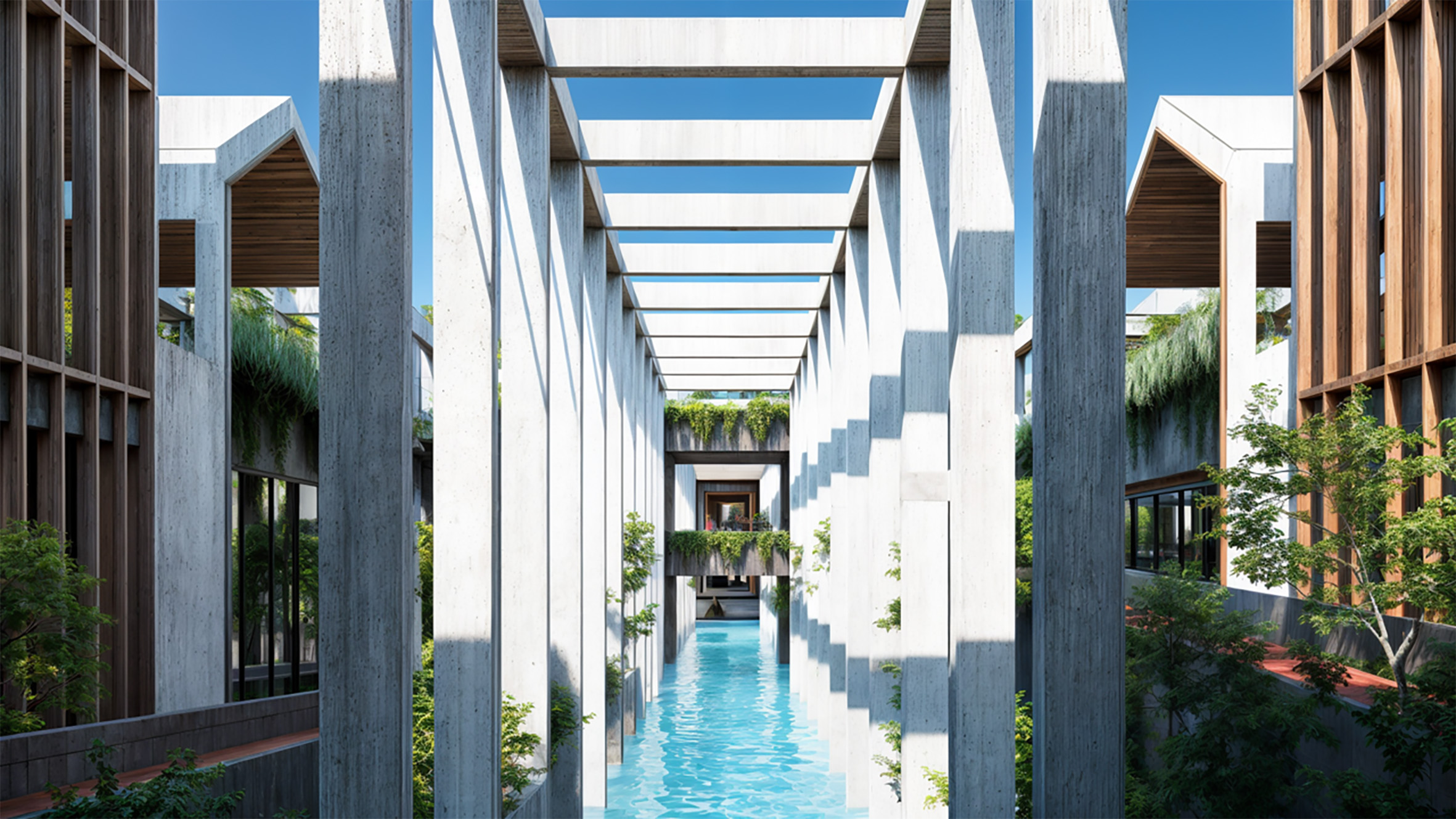
So we opened them toward one another—creating shared outdoor spaces, courtyards, and pedestrian alleys that foster dialogue and daily encounters.
Spatial Organization
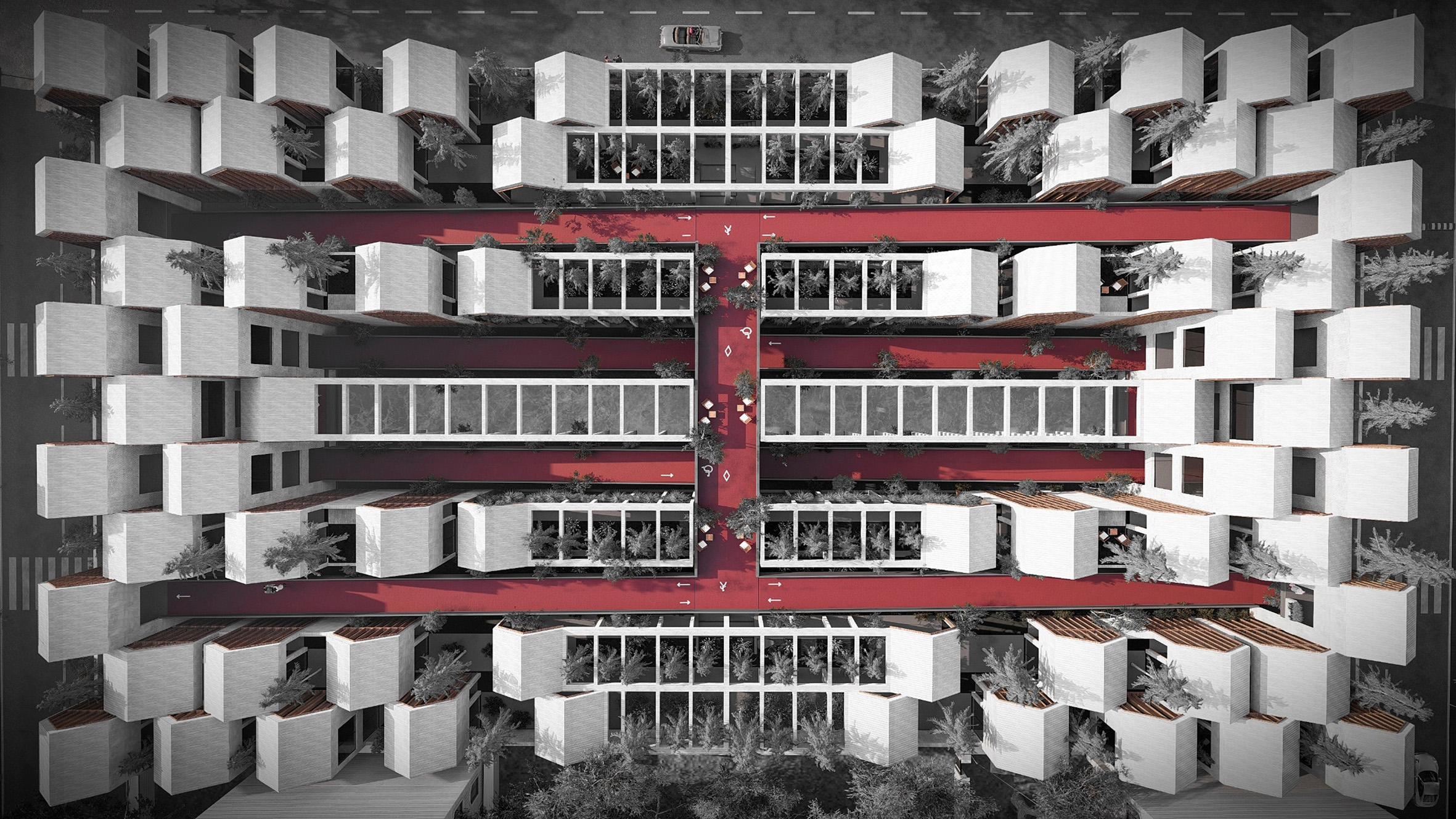
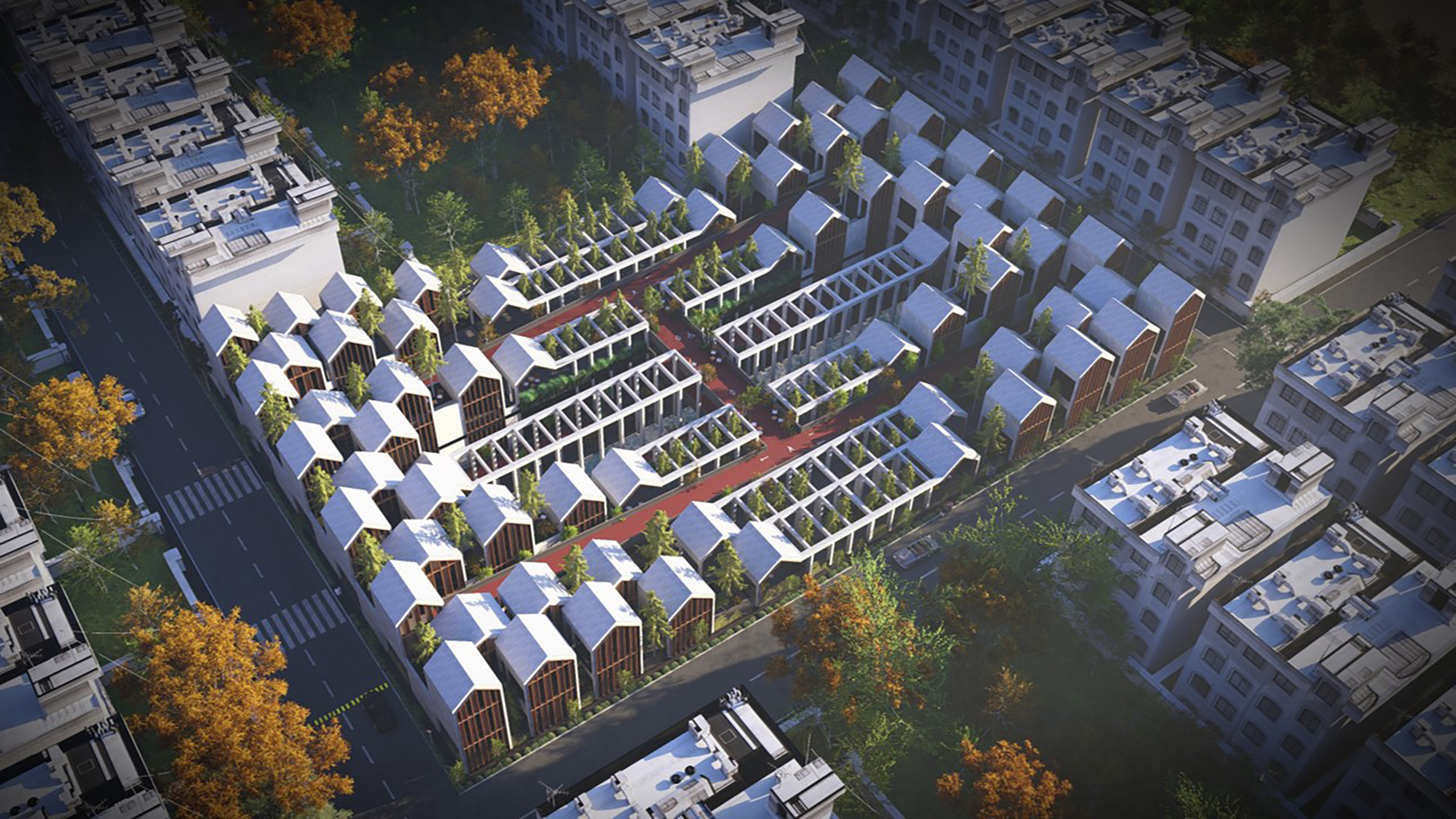
Residences are arranged in clusters and connected through a network of narrow walkways—an urban fabric that encourages movement and community.
Between these paths, green spaces emerge naturally, allowing residents to encounter one another, slowly and gently, just as one might experience in historic Iranian villages like Abyaneh, where the elderly are not hidden away, but form part of the social landscape.
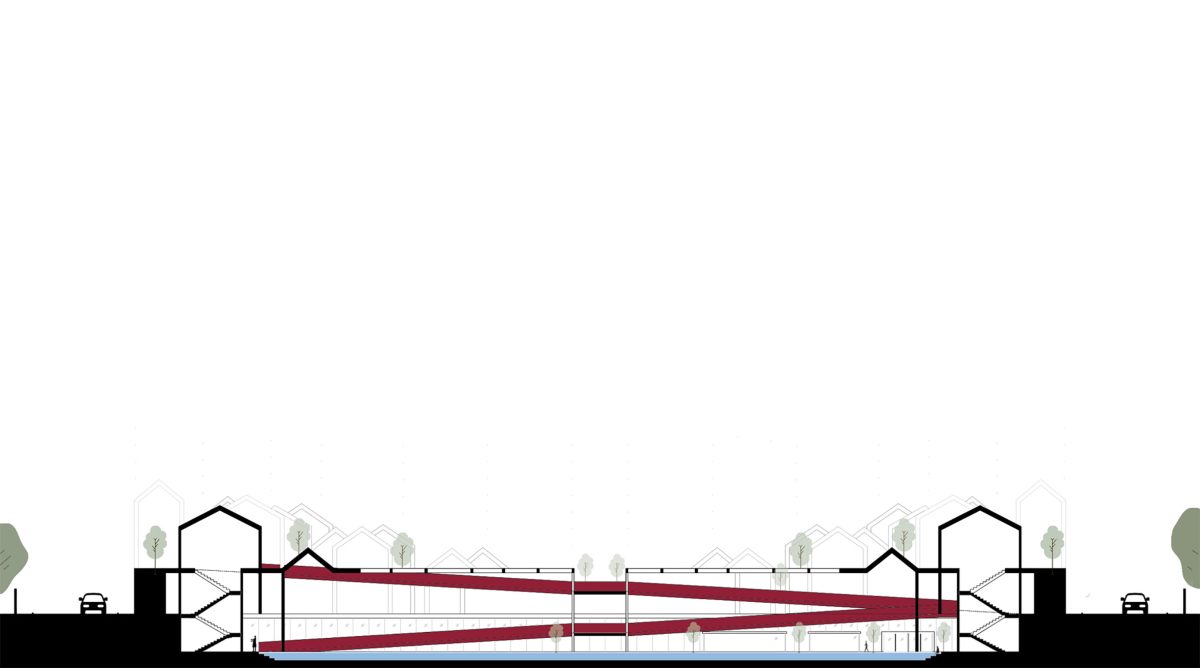
The central portion of the project is set lower, allowing western breezes to pass through while creating a sense of interiority—a place where the view is not toward the polluted outside, but inward, toward a shared garden.
At the heart of the garden lies a reflecting pool. Like the tip of a compass, it organizes the entire complex and acts as both a visual anchor and a space of calm.
Form and Identity
The site was divided into parallel strips—alternating bands of solid and void.
This creates a rhythmic landscape of built volumes and open-air corridors.
Roofs fold and bend, inspired by the sloped vernacular roofs of northern Tehran, offering a sense of continuity and shelter.
The result is not a single building, but a village.
A place where corridors become alleys, rooms become homes, and buildings become neighborhoods.
We named this place:
Sāyehsār – The Village of Shade and Shelter.
Sāyehsār Village
2025
Conceptual
Location: Tehran/ Iran