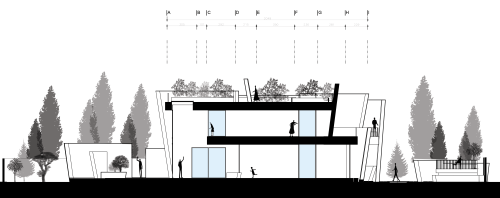
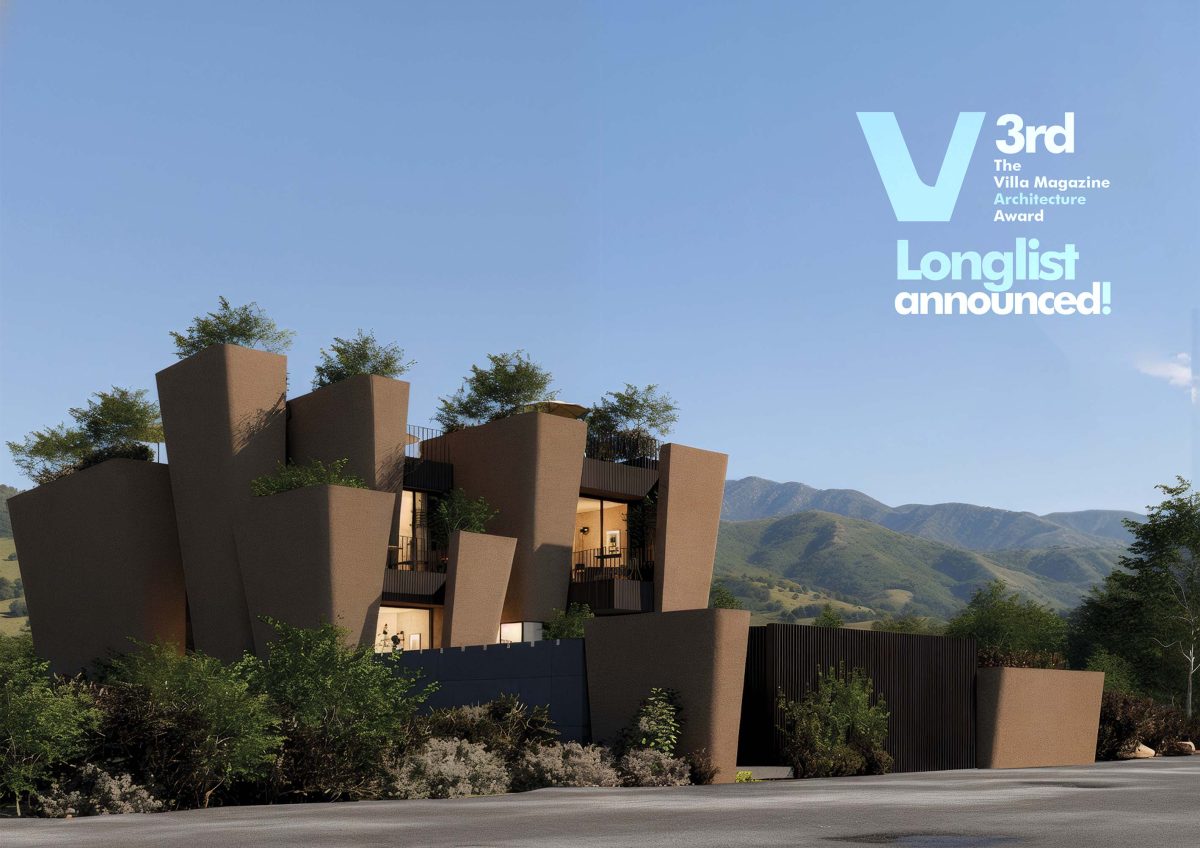
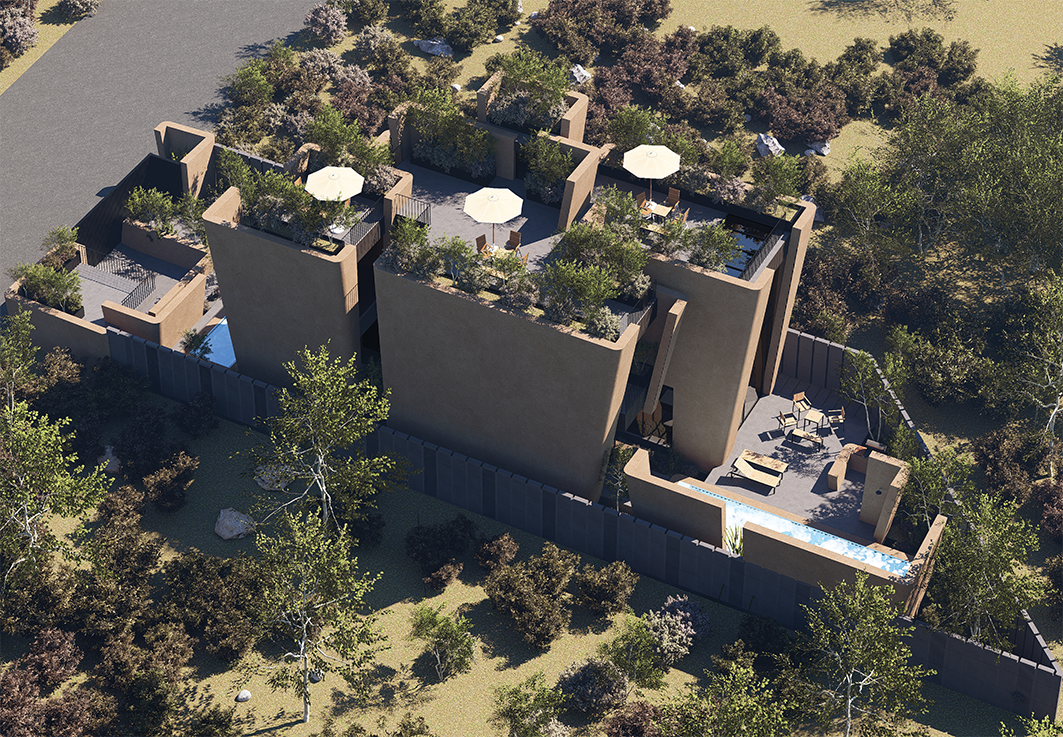
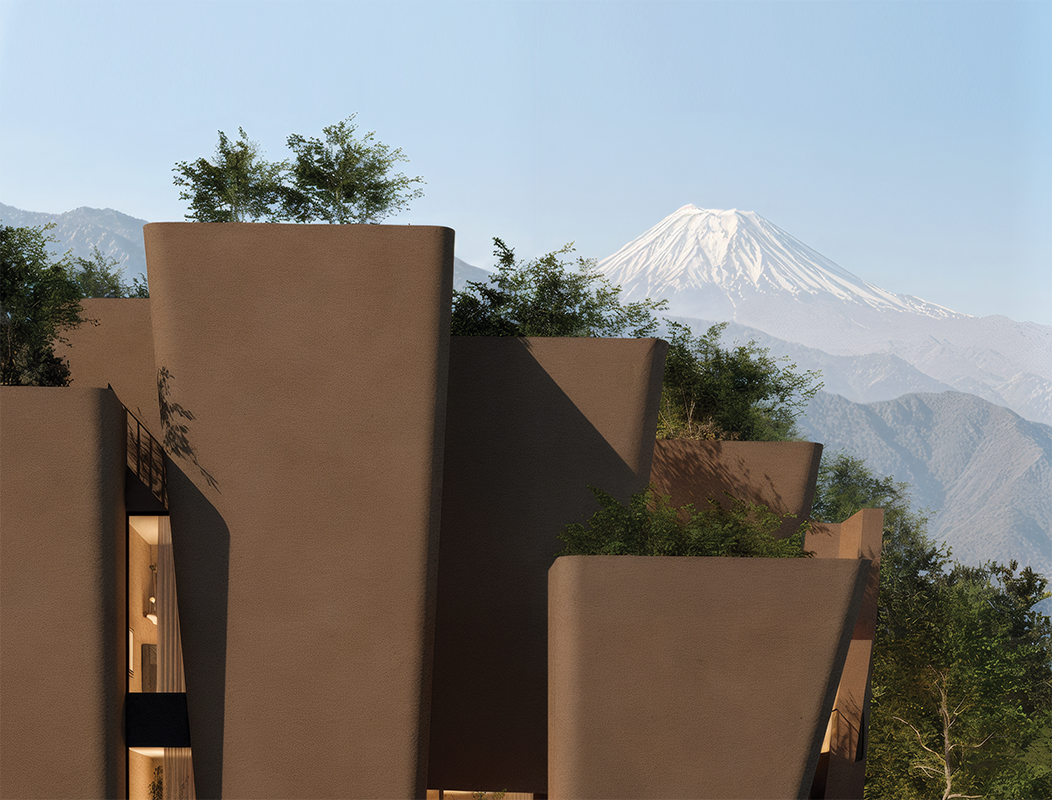
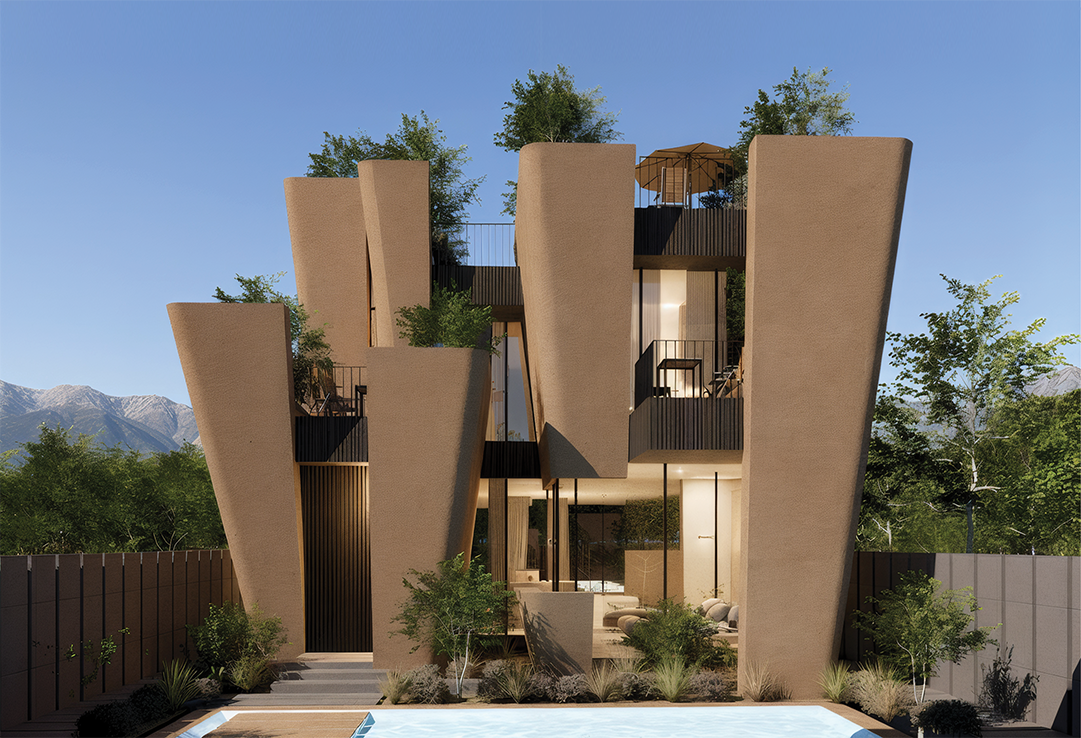
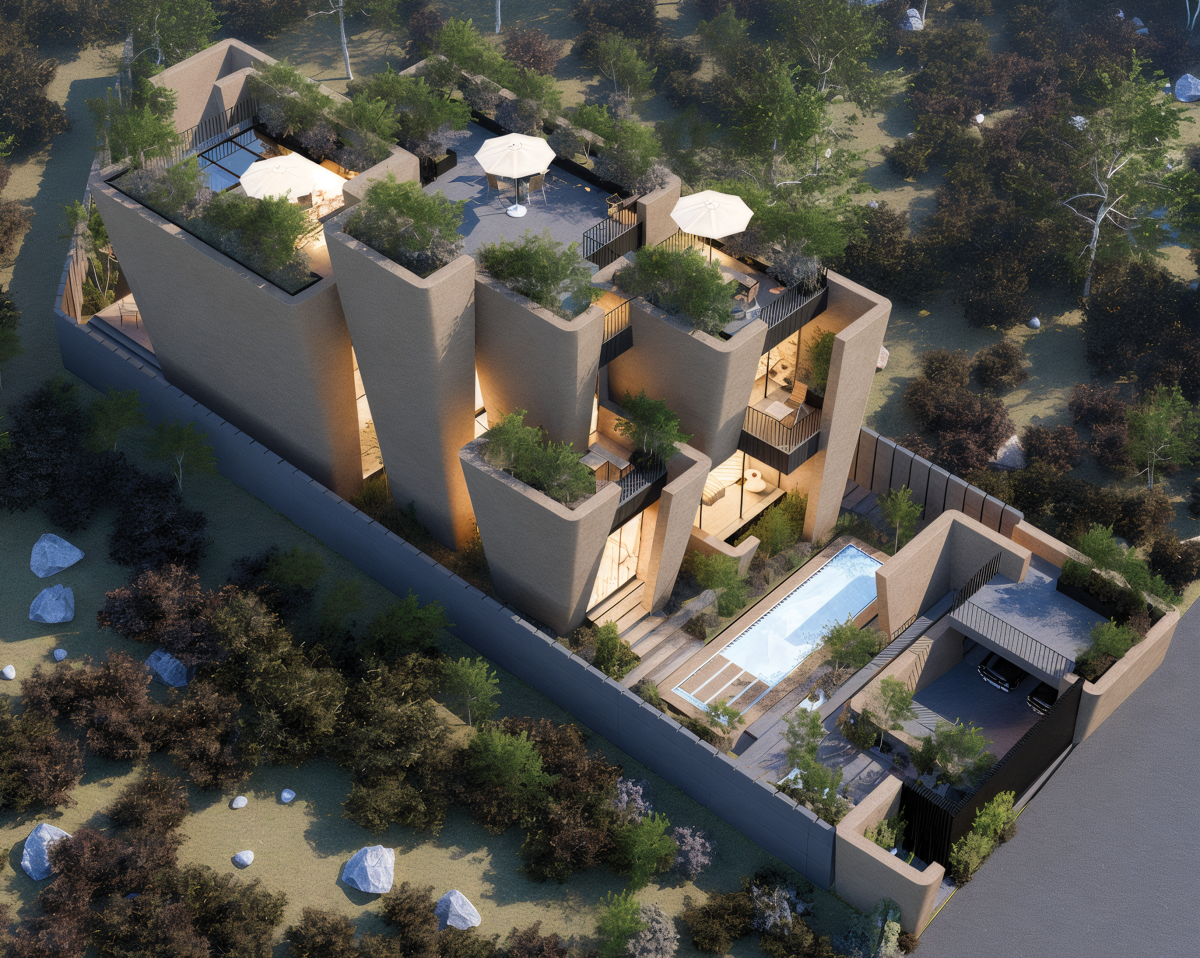
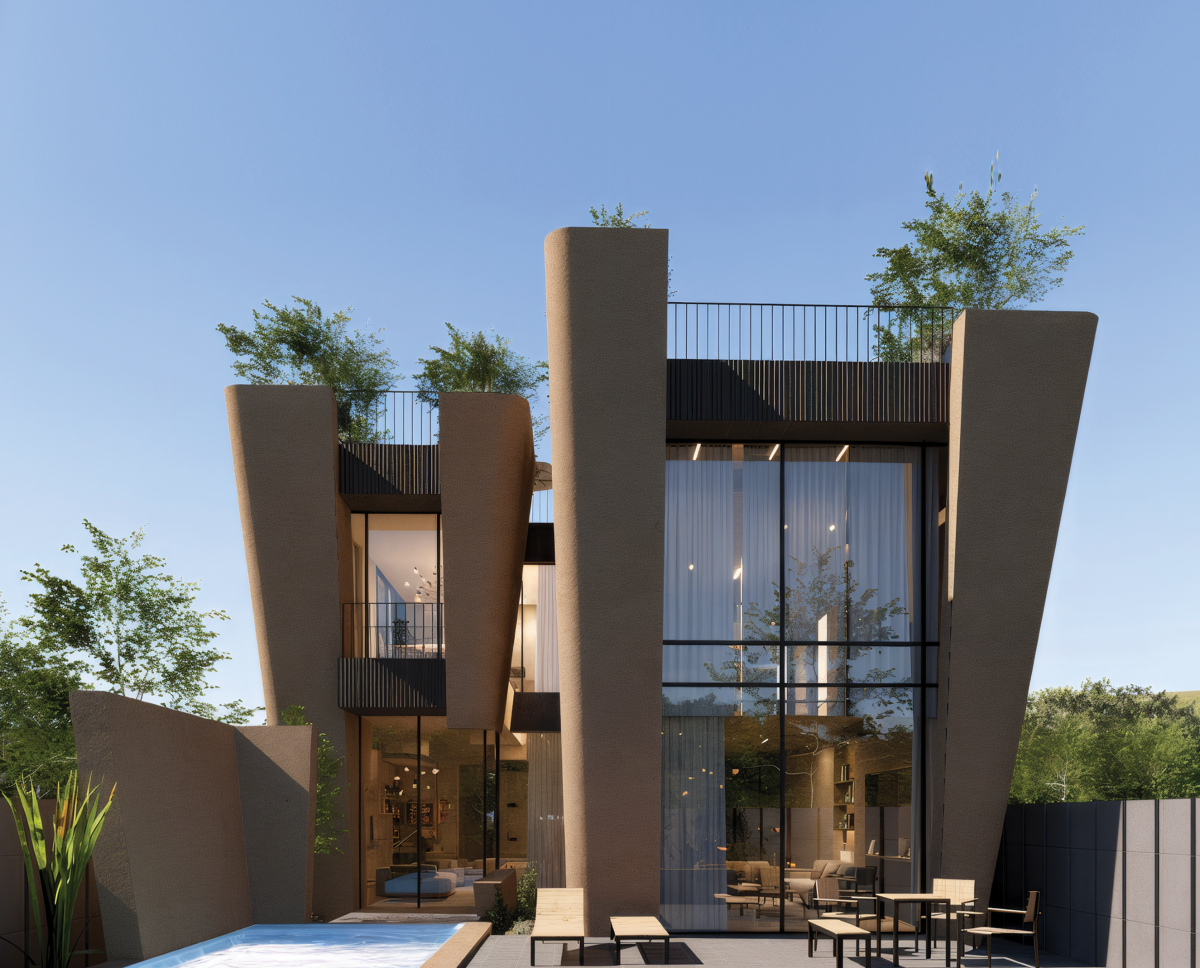
Golddan-Khaneh explores a contemporary architectural reinterpretation of the traditional Iranian courtyard house. In older homes of Tehran, everyday life was organized around a central courtyard, where a water basin sat at the center and rows of flower pots lined the edges, shaping an intimate domestic landscape. This project takes those flower pots as its point of departure. Small, familiar, and deeply embedded in Iranian domestic culture, the pots are treated not as decorative objects but as spatial generators. The core idea is simple: the pots grow until they become inhabitable spaces. Rather than altering their formal identity, the pots retain their original geometry while undergoing a shift in scale. As they grow, they transform from containers for plants into containers for life. What was once a household object gradually becomes architecture. The design process is structured around three principles: – enlarging a small and familiar element without changing its inherent character – translating the scale of an object into the scale of space – creating livable environments between volumes rather than inside a single enclosed building Instead of a compact mass, the project is composed of a series of independent yet connected spatial units. Like a row of pots arranged in a courtyard, paths weave between the volumes, allowing light, air, and vegetation to flow through the site. Each unit functions as a “room-pot”: autonomous in identity, yet spatially related to the others, collectively forming a garden-like living environment. Golddan-Khaneh proposes an alternative architectural logic in which space emerges from the amplification of a domestic memory. Here, an object becomes space, and architecture grows directly out of a familiar fragment of everyday life.
Golddan-Khaneh (Pot House)
2025
Under construction
Location: Roudehen/ Tehran/ Iran